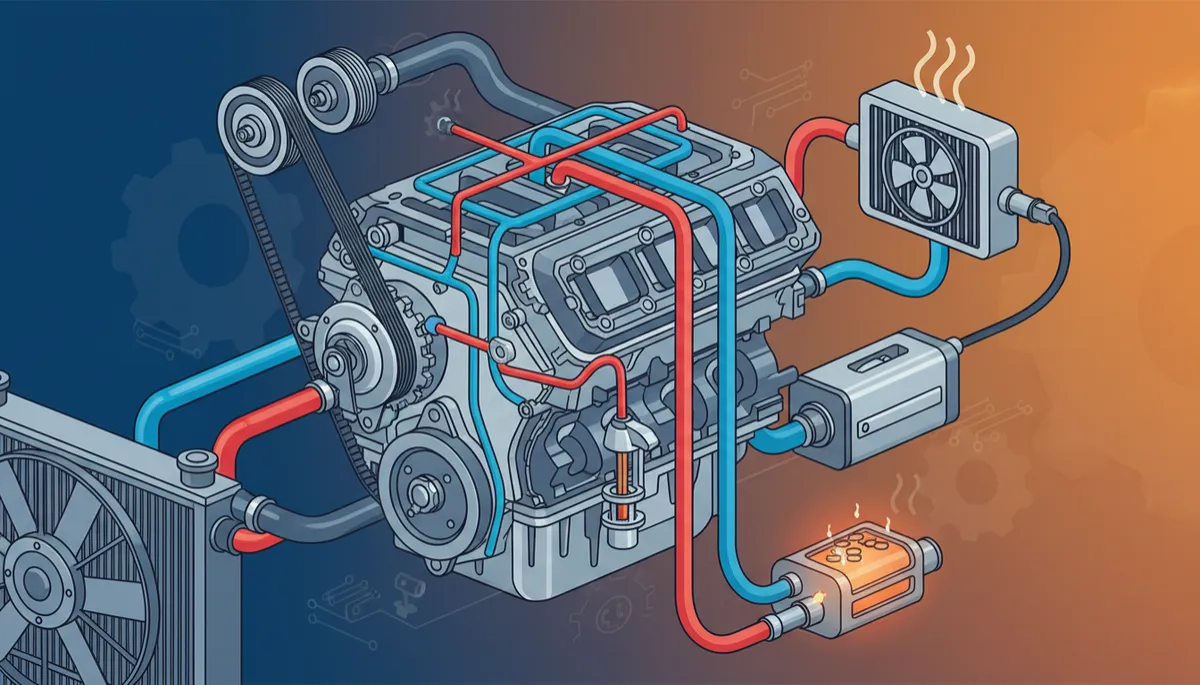
Coolant System Servicing for Engine & Wallet Protection
Coolant System Servicing, Vehicle Heating System, Hybrid Coolant Maintenance
Coolant System Servicing: Protecting Your Engine, Cabin Comfort, and Your Wallet
A healthy cooling system does far more than keep your engine from overheating. It helps warm your cabin, protects critical components, and on modern hybrid and electric vehicles, it supports complex systems that are expensive to repair if neglected. At 37 Smog and Repair, we see every day how proper Coolant System Servicing can prevent breakdowns, failed smog tests, and costly repairs—especially in the High Desert’s demanding climate.
Why Belts, Hoses, and Coolant Service Matter
Properly servicing coolant systems starts with more than just a fluid exchange. It includes a careful inspection of belts and hoses, coolant condition, clamps, and the overall routing of the system. In our High Desert area, heat, long commutes, and stop‑and‑go traffic accelerate wear on rubber components and raise the stakes for regular Coolant System Servicing.
Hoses: Carry coolant between the engine, radiator, heater core, and sometimes hybrid components. Over time, they can swell, crack, or soften internally, leading to leaks or sudden bursts.
Belts: On many vehicles, a drive belt spins the mechanical water pump. If that belt slips, frays, or breaks, coolant flow stops and the engine can overheat within minutes.
During routine maintenance at 37 Smog and Repair, we inspect for soft spots, oil contamination, cracking, and leaks, and we recommend replacement before failure—not after you are stranded on the side of the road or facing engine damage.
How Your Vehicle Uses Coolant to Heat the Cabin
Your Vehicle Heating System is directly tied to the cooling system. Hot coolant from the engine flows through a small radiator inside the dashboard called the heater core. A fan then blows air across that heater core and into the cabin, providing warm air on cold mornings.
If coolant is low, contaminated, or not circulating properly, you may notice weak heat, fluctuating cabin temperature, or foggy windows that will not clear. Those are early signs that your coolant system needs attention. Addressing them promptly protects both your comfort and the engine itself.
Coolant Lubrication and the Health of Your Water Pump
Coolant is not just colored water. Modern coolant contains additives that provide Coolant Lubrication and corrosion protection for the water pump and internal passages. The water pump relies on these additives to keep its internal seals and bearings moving smoothly and to prevent rust from forming on metal surfaces.
When coolant is not serviced at the recommended intervals, the additives break down. Old coolant can become acidic, lose its lubricating properties, and start eating away at the water pump, radiator, and even the engine block. This can lead to noisy pumps, leaks, and in severe cases, overheating and engine damage. Regular Coolant System Servicing helps extend the life of your water pump and reduces the risk of unexpected repair bills.
What Happens When the Thermostat Fails
The thermostat is a temperature‑controlled valve that regulates coolant flow between the engine and radiator. It helps the engine warm up quickly and then maintain a stable operating temperature. Thermostat Failure usually shows up in one of two ways:
Stuck open: The engine runs too cool. You may notice poor heater performance, reduced fuel economy, and, in many cases, a check engine light. A too‑cold engine can increase emissions and cause a failed smog test.
Stuck closed: Coolant cannot circulate to the radiator, leading to rapid overheating. If the engine is driven in this condition, it can warp cylinder heads, damage head gaskets, and cause severe engine failure.
At 37 Smog and Repair, we often discover thermostat issues while diagnosing smog failures or temperature‑related complaints. Replacing a faulty thermostat early is far more affordable than repairing the damage from prolonged overheating.
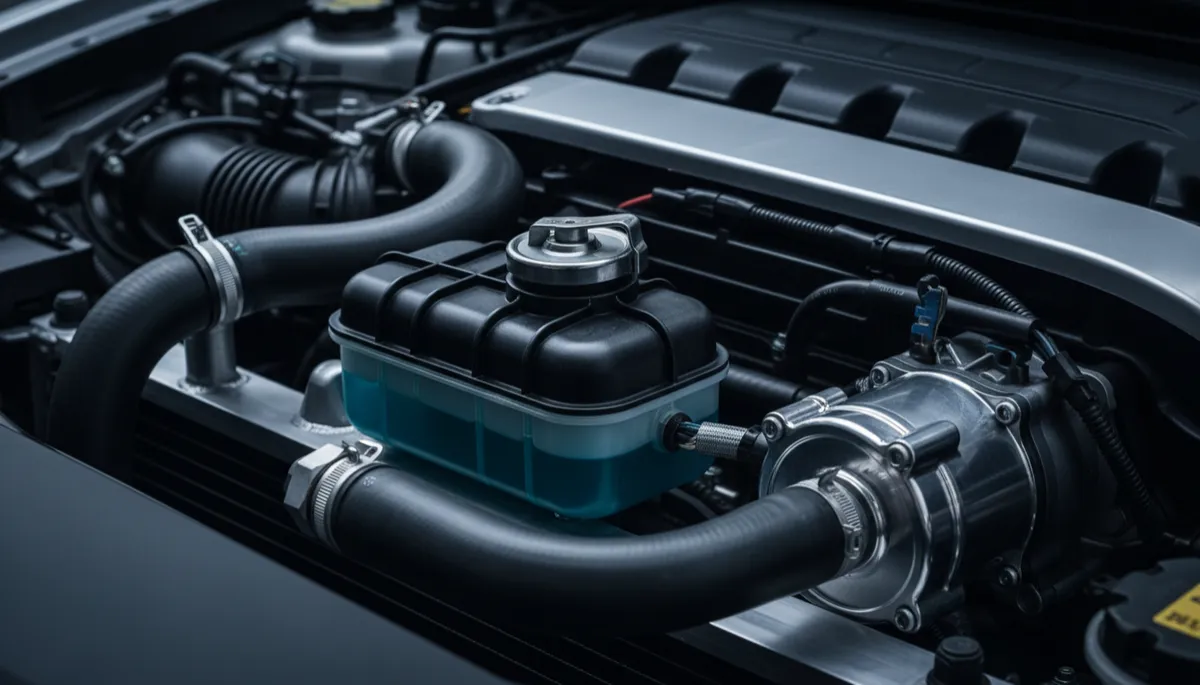
Regular coolant service and inspection help prevent leaks, overheating, and pump failure.
Hybrids, Exhaust‑Heated Coolant, and Costly Failures
Many modern hybrids use more advanced systems to manage engine and cabin temperature. Some designs route coolant through a special heat exchanger in the exhaust system. This allows the engine and cabin to warm up more quickly, improving comfort and reducing emissions when the engine first starts. It is an effective system—but also a complex one.
When these exhaust‑based coolant heaters clog, corrode, or leak, repairs can be expensive. The parts are often integrated into the exhaust and emissions systems, and labor can be significant. Neglected coolant—sludged, contaminated, or never changed—accelerates this wear. Proper Hybrid Coolant Maintenance is one of the best defenses against these high repair costs.
📌 Key Takeaway: On hybrids with exhaust‑heated coolant, skipping coolant service can turn a routine maintenance item into a major exhaust and cooling system repair.
Recommended Coolant Service for Hybrid and Electric Vehicles
Hybrid and electric vehicles often have multiple cooling loops—one for the engine (if equipped), one for the inverter or power electronics, and sometimes one for the battery pack. Each loop may use specific coolant types and service intervals. Ignoring these recommendations can lead to overheated electronics, reduced battery life, and expensive component replacement.
As a general guideline, many manufacturers recommend coolant replacement between 5 years/100,000 miles and then more frequently afterward, but it is essential to follow the factory schedule for your specific vehicle. At 37 Smog and Repair, we review your owner’s manual, inspect coolant condition, and advise you on the right Hybrid Coolant Maintenance plan—without upselling unnecessary services. Our goal is to protect high‑value components and keep your vehicle safe, efficient, and smog‑compliant.
Mechanical vs. Electric Water Pumps in Modern Vehicles
Many newer vehicles, especially hybrids, now use both a mechanical water pump and an electric water pump. Understanding these Water Pump Types helps explain why correct coolant and timely service are so important.
Mechanical water pump: Driven by the engine’s belt or timing system. It circulates coolant whenever the engine is running. If it fails, overheating can happen quickly.
Electric water pump: Powered by the vehicle’s electrical system and controlled by the computer. It can run at variable speeds or even when the engine is off, improving efficiency and managing temperature for hybrid components and turbochargers.
Both pump types depend on clean, correct coolant for lubrication and cooling. Contaminated coolant can cause electric pumps to seize or leak and can shorten the life of mechanical pumps. Replacing an electric water pump or a pump buried behind a timing system can be costly, so maintaining coolant on schedule is a smart, value‑focused decision.
Professional Coolant Care You Can Trust in the High Desert
Whether you drive a daily commuter, a hybrid, or an older vehicle, your cooling system is central to engine life, cabin comfort, and emissions performance. At 37 Smog and Repair, our team combines advanced diagnostics with honest, straightforward recommendations. We inspect belts and hoses, test thermostats, evaluate water pumps, and follow manufacturer guidelines for Coolant System Servicing and Hybrid Coolant Maintenance—so you can drive with confidence.
Protect your vehicle and avoid costly repairs. Reserve your inspection or service appointment today with 37 Smog and Repair, and let our trustworthy team keep your cooling and heating systems working the way they should—on every drive, in every season.