Fixing Flooded Engines: Avoid Costly Water Damage
Water Damage, Engine Repair, Deep Water Driving, Car Maintenance, Flooded Engine, Vehicle Safety
What Really Happens When Your Car Sucks Up Water – And How It’s Fixed
Driving through deep water can quietly turn into one of the most expensive mistakes a driver makes. Understanding how a flooded engine happens, what it takes to repair the damage, and how to avoid it can save you thousands of dollars and keep you safe on the road.
What Happens When Your Engine Sucks In Water
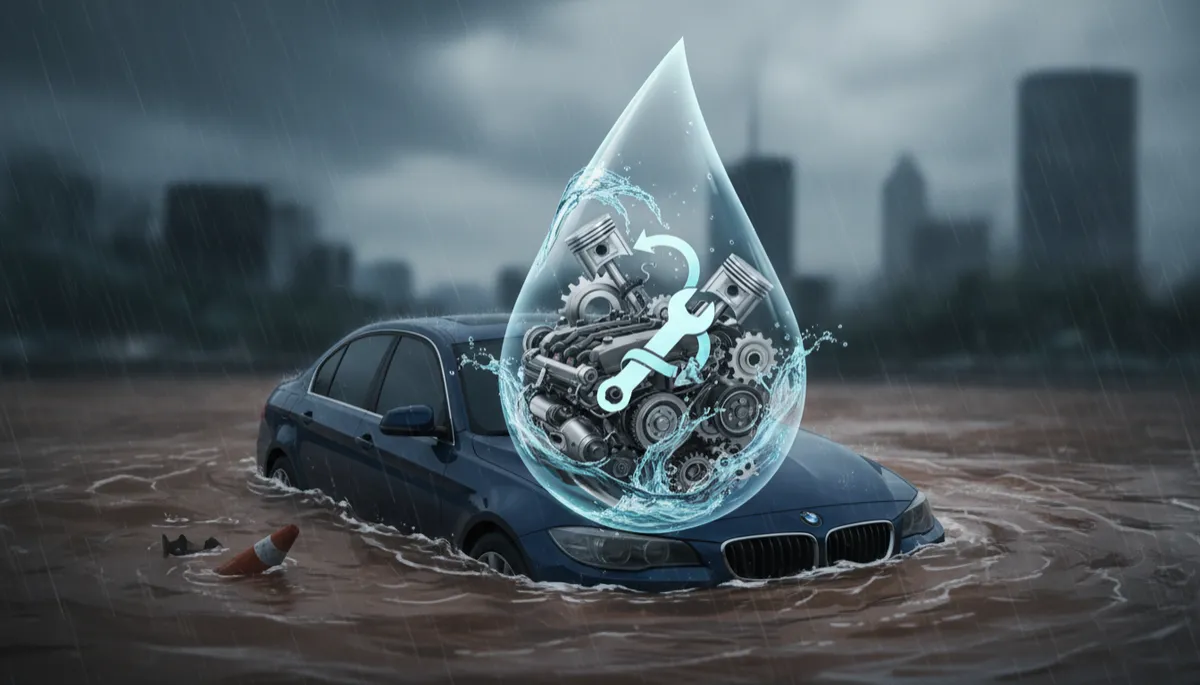
Engines are designed to compress air and fuel, not water. When you drive into deep water and it gets high enough to reach the air intake, the engine can inhale water instead of air. This is called hydrolock, and it’s one of the most serious types of Water Damage your engine can suffer.
Inside the cylinders, pistons move up and down, compressing an air–fuel mixture. Water, however, does not compress. When a piston tries to compress water, something has to give: connecting rods can bend, pistons can crack, valves can get damaged, and in severe cases the engine block itself can be ruined. Even if the engine stalls before catastrophic failure, you’re left with a Flooded Engine full of moisture and contamination in places it should never be.
📌 Key Takeaway: If your car dies in deep water, do not try to restart it. Cranking the engine can turn manageable Water Damage into a full engine replacement.
The Labor‑Intensive Process of Saving a Flooded Engine
When a vehicle arrives at 37 Smog and Repair after Deep Water Driving, we start with careful diagnostics. If we suspect water has entered the intake, we treat the engine as flooded until proven otherwise. Safely recovering the engine is a detailed, time‑consuming process, and skipping steps can lead to hidden damage down the road.
Inspect and document: We check air intake ducts, the air filter box, and the filter itself for moisture, mud, and debris. If the filter is soaked, we assume water has gone farther into the system.
Remove spark plugs or glow plugs: This allows any trapped water in the cylinders to escape instead of fighting the pistons. It also prevents the engine from building compression while we turn it by hand or with the starter.
Crank the engine to expel water: With the plugs out and fuel disabled, we crank the engine so water can shoot out of the plug holes. This is messy, slow work, and we repeat it until no more water appears.
Drain and replace contaminated fluids: Water can migrate into the engine oil, transmission (if submerged), differentials, and even power steering. Milky fluid is a clear warning sign. We drain, inspect, and refill with fresh fluids—sometimes more than once—to protect internal components.
Dry and clean the intake system: The air box, ducts, throttle body, and sometimes the intake manifold must be dried and cleaned to remove moisture and grit that can cause long‑term Engine Repair issues and drivability problems.
Inspect ignition and electronics: Coils, plug wires, sensors, and connectors that sat in water can corrode or short. We dry, clean, and test these components to avoid future misfires and check engine lights that could affect emissions and Vehicle Safety.
Reassemble and test carefully: Only after the engine turns smoothly, fluids look clean, and electrical systems check out do we reinstall plugs, start the engine, and monitor for noise, smoke, misfires, or warning lights.
This level of Car Maintenance and recovery is labor‑intensive and requires skilled diagnostics. Even with careful work, a badly hydrolocked engine may still need major Engine Repair or replacement if internal parts are already bent or broken.
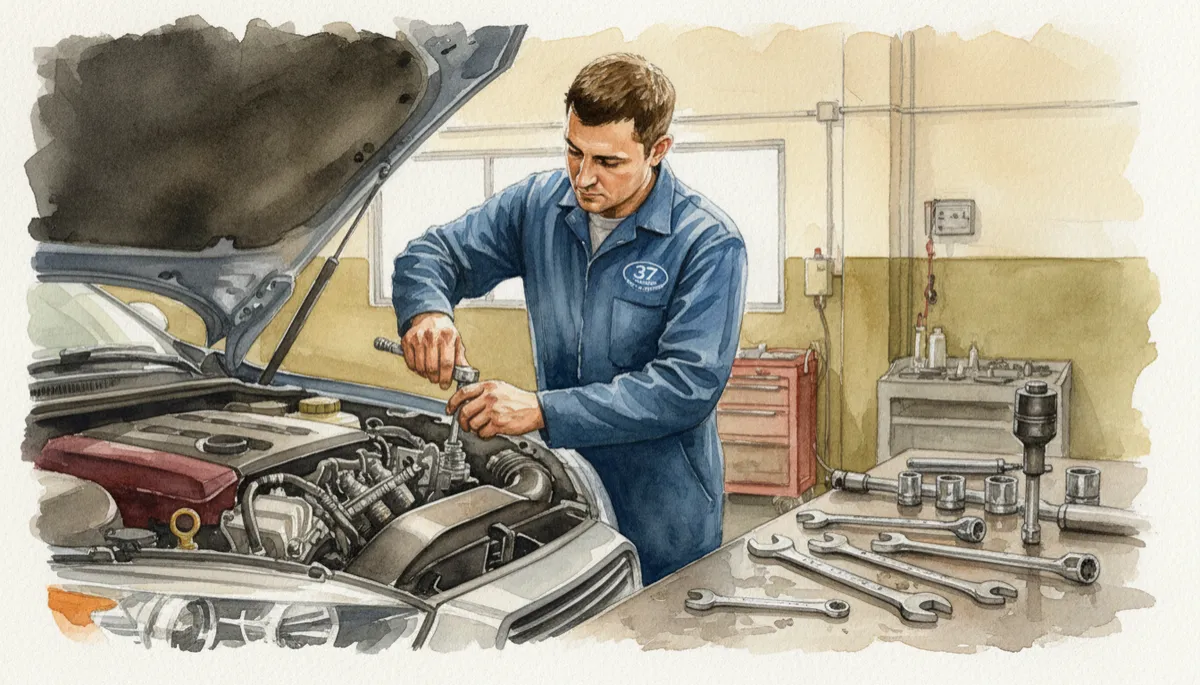
Properly clearing a flooded engine takes time, precision, and thorough diagnostics.
How Deep Is Too Deep? A Simple Rule for Deep Water Driving
A good rule of thumb: if the water is higher than the middle of your wheels, it’s too deep to drive through. On many modern cars, the air intake sits low in the front bumper or fender area. Once water reaches that level, the risk of a Flooded Engine increases dramatically—especially if you create a bow wave by driving too fast.
Standing water above the curb: Usually too deep for most sedans and small SUVs.
Flowing water: Even if it looks shallow, moving water can push your car sideways or hide deeper sections and debris.
Unknown depth: If you can’t clearly see the road markings or the shape of the pavement, turn around. Hidden dips can turn “a few inches” into engine‑level depth in seconds.
💡 Pro Tip: In the High Desert, flash floods can fill low spots and washes quickly. When in doubt, wait it out or choose another route—Vehicle Safety is worth a few extra minutes.
Other Ways Deep Water Can Damage Your Car
Even if your engine doesn’t suck in water, Deep Water Driving can still cause expensive Water Damage throughout the vehicle. At 37 Smog and Repair, we often see problems that show up days or weeks after a flood event if the car wasn’t inspected promptly.
Brakes and rotors: Sudden cooling from cold water can warp hot rotors. Mud and silt can also get trapped in calipers, leading to noise, uneven braking, and safety concerns.
Suspension and steering: Hidden potholes and washed‑out pavement can bend control arms, tie rods, or wheels, causing vibrations, pulling, and uneven tire wear.
Exhaust system: A hot exhaust plunged into cold water can crack or warp components, and trapped moisture can accelerate rust, especially in older or high‑mileage vehicles.
Electrical and sensors: Modern vehicles rely on dozens of sensors and connectors placed low in the engine bay and under the body. Water intrusion can lead to intermittent electrical faults, check engine lights, and emissions failures that show up later during smog testing.
Interior and safety systems: Water inside the cabin can damage seat wiring, airbag modules, and connectors under the carpet. Corrosion here can quietly compromise Vehicle Safety over time.
Because so many systems are affected, a post‑flood inspection is one of the smartest pieces of Car Maintenance you can invest in after any deep water incident, even if the car seems to drive “fine” at first.
When to Call a Professional – And How 37 Smog and Repair Can Help
If your vehicle has stalled in water, been driven through a flooded intersection, or shows signs of Water Damage—strange noises, warning lights, rough running, or a musty smell—have it checked before more miles add to the problem. Avoid cranking a suspected Flooded Engine, and have the car towed instead of driven if you’re unsure.
At 37 Smog and Repair, we combine careful diagnostics with honest communication. From engine performance checks and fluid inspections to emissions and smog‑related concerns after Deep Water Driving, our team focuses on necessary repairs only, backed by NapaCare warranty support and decades of experience in Engine Repair and Vehicle Safety.
Protect your vehicle and avoid costly repairs. If you’ve driven through deep water or suspect flood‑related damage, schedule your inspection or service appointment today. Let our team at 37 Smog and Repair give you a clear picture of your car’s condition—and the peace of mind that comes with trustworthy, professional care.