Complex Electrical Repairs in Modern Passenger Cars
Electrical Repairs, Passenger Cars, Automotive Maintenance
Why Modern Electrical Repairs on Passenger Cars Are Anything but Simple
From mysterious warning lights to cars that suddenly won’t start, electrical problems can bring your day to a halt. For today’s passenger cars, electrical repairs are no longer a simple matter of replacing a fuse or wiggling a loose wire. They demand careful diagnostics, specialized testing equipment, and an understanding of how age, rodent damage, and failing wire insulation quietly undermine your vehicle’s reliability and smog performance.
The Hidden Complexity of Electrical Systems in Passenger Cars
Modern passenger cars are rolling computer networks. Under the hood and behind the dashboard, dozens of control modules, sensors, and miles of wiring communicate constantly. A single electrical fault can affect multiple systems at once—engine performance, smog readiness, ABS, airbags, power steering, even your A/C and infotainment. That’s why electrical repairs today are far more complex than they were a generation ago.
At 37 Smog and Repair, we see this every day. A simple complaint like “the check engine light is on” can trace back to a failing sensor, a corroded connector, a cracked section of wire insulation, or even rodent damage hidden deep in a harness. Guesswork or parts-swapping not only wastes money—it can leave you with the same problem and an upcoming smog deadline you’re not ready for.
Why Specialized Testing Equipment Matters for Accurate Electrical Repairs
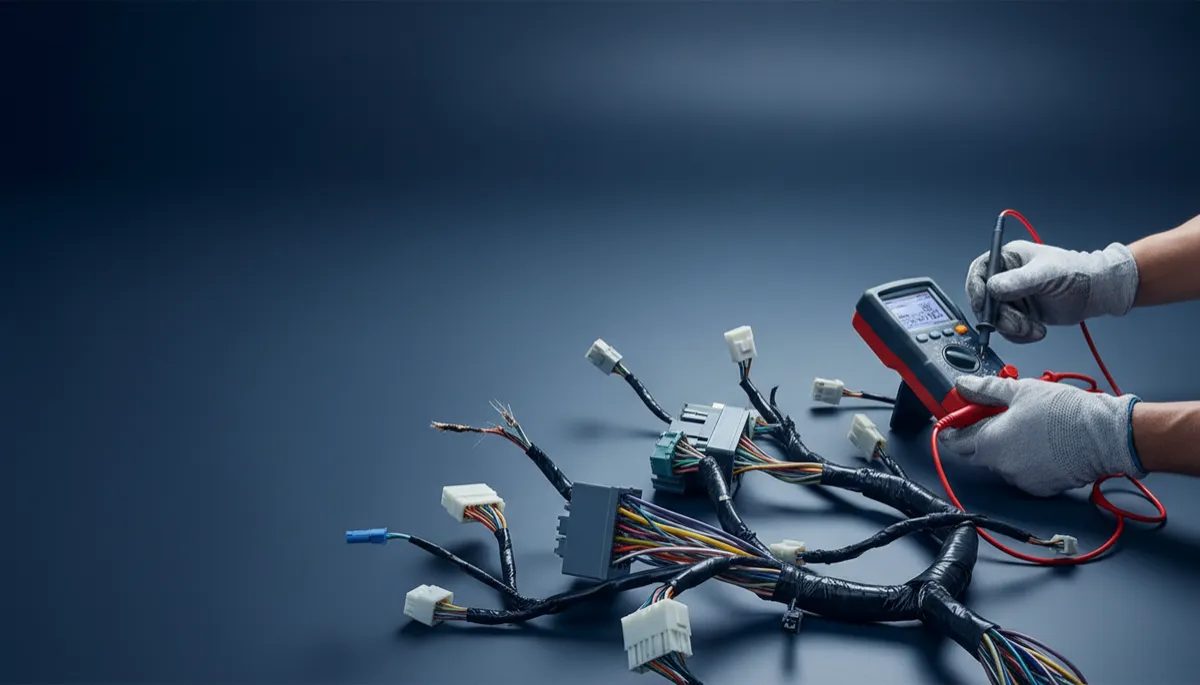
Because today’s electrical systems are so integrated, proper diagnosis requires specialized testing equipment, not just a basic code reader. Professional-grade scan tools communicate with each control module, read live data, run system tests, and reveal patterns a simple handheld reader can’t see. Paired with lab scopes, high-quality multimeters, and circuit-testing tools, they allow a trained technician to pinpoint the root cause instead of replacing parts on a hunch.
This level of testing is especially critical for smog-related issues. An electrical fault in a sensor, wiring, or module can keep your readiness monitors from setting, trigger a check engine light, or cause your vehicle to fail emissions. At 37 Smog and Repair, our diagnostics and electrical services are built around accurate testing first, then repair—so you know you’re only paying for what your vehicle truly needs and that your smog certification is achievable, not just hopeful.
💡 Pro Tip: If a shop recommends major electrical repairs based only on a quick code scan, ask how they verified the fault. Proper testing protects both your wallet and your vehicle.
Rodent Damage: Small Teeth, Big Electrical Problems
In the High Desert, it’s common for vehicles to sit for stretches of time—overnight, on job sites, or during seasonal use. That quiet, sheltered engine bay is appealing to rodents looking for warmth and nesting material. Unfortunately, they often chew through wiring, vacuum lines, and insulation, creating electrical issues that are tough to spot at a glance.
Rodent damage can cause intermittent no-starts, random warning lights, poor fuel economy, and failed smog tests. A single chewed wire to an oxygen sensor or EVAP component can throw your emissions system off balance. Skilled electrical diagnostics, combined with visual inspection and the right testing equipment, help us locate these hidden breaks and repair them correctly—rather than masking the symptom and leaving you vulnerable to future failures.
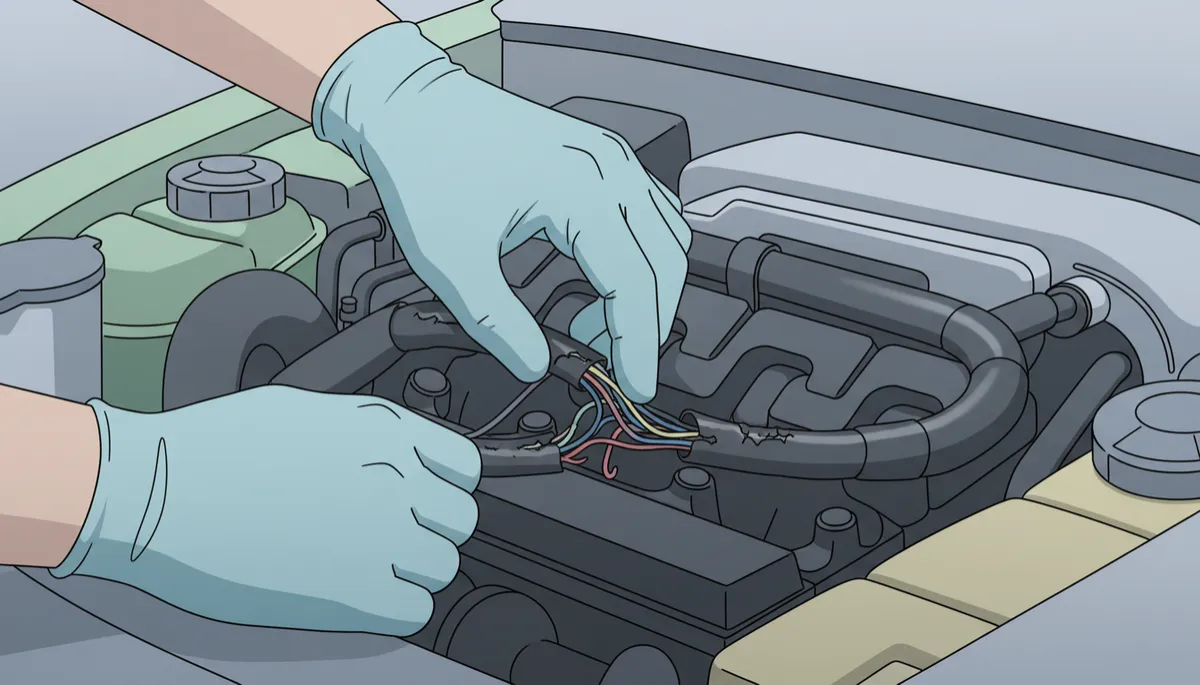
Rodent damage and aging insulation often hide in plain sight until expert inspection.
Aging Wire Insulation: Time, Heat, and Desert Conditions Take a Toll
Even without rodents, wiring doesn’t last forever. Over time, heat, vibration, and exposure to the elements cause wire insulation to harden, crack, and flake away. In older and high-mileage passenger cars, especially in hot, dry climates like Hesperia, Victorville, and the surrounding High Desert, this is a common source of electrical trouble that many drivers never suspect.
Cracked insulation can lead to short circuits, intermittent signals, and corrosion inside the copper strands. The result? Flickering lights, stalling, misfires, or a check engine light that keeps coming back after basic repairs. For classic and older vehicles, the wiring may be original to the car, making careful inspection and targeted repair an essential part of responsible automotive maintenance—not an optional extra.
📌 Key Takeaway: If your vehicle is older, has high mileage, or lives in extreme heat, ask for a wiring and insulation check when you bring it in for electrical concerns or smog-related issues.
Protecting Your Vehicle with Honest, Expert Electrical Care
Electrical problems don’t have to be frightening, but they do deserve respect. When you choose a shop that values accurate diagnostics, uses specialized testing equipment, and understands how rodent damage and aging wire insulation affect your car, you’re choosing fewer surprises, safer driving, and a smoother path to smog certification. That’s exactly what we aim to provide at 37 Smog and Repair—clear communication, necessary repairs only, and workmanship backed by integrity and warranty support.
Whether you’re facing a stubborn check engine light before a smog test, an electrical issue on your daily driver, or wiring concerns on an older or classic vehicle, we’re here to help. Our team combines advanced electrical diagnostics with practical, value-focused recommendations, so you can make confident decisions about your automotive maintenance.
Protect your vehicle and avoid costly surprises. Schedule your diagnostic or electrical repair appointment with 37 Smog and Repair today, and let our trusted team keep your passenger car safe, compliant, and road-ready.