
Night Driving Safety: Tips to See Better and Stay Safe
Driving, Night Driving Safety, Accident Prevention
Night Driving Safety: Simple Ways to See Better and Stay Safer
Night driving can feel a little stressful, even for confident drivers. The good news is that a few easy habits and small maintenance checks can boost visibility at night and greatly reduce your risk of an accident.
Why Night Driving Safety Matters More Than You Think
Most people log fewer miles after dark, yet a large share of serious crashes happen at night. Reduced visibility, fatigue, and glare all work against you. Focusing on Night Driving Safety is not about being fearful; it is about giving yourself every advantage so you can react calmly and quickly when something unexpected happens.
When you improve visibility at night, keep your car’s lights in good shape, and build in a few extra seconds of following distance, you are quietly stacking the odds in your favor. Think of it as a friendly agreement with yourself: if you are going to be on the road after dark, you deserve the safest, clearest view possible.
Visibility at Night: Give Your Eyes Every Advantage
Visibility at night is about much more than just switching on your headlights. Your eyes work harder in the dark, and simple choices can make their job easier. Dim your dashboard lights slightly so bright screens do not compete with the road. Avoid staring directly into oncoming headlights; instead, shift your gaze slightly to the right edge of your lane and use it as a guide until the vehicle passes. This small habit reduces glare and eye strain, letting you see pedestrians, animals, or debris sooner.
It also helps to slow down just a bit at night, even on familiar roads. Your headlights can only illuminate so far ahead; driving at a speed that matches that “cone of light” gives you more time to spot and respond to hazards. Combined with a greater following distance, this is one of the simplest Accident Prevention strategies you can use.
Clean Windshield Tips for a Crystal-Clear View
A dirty windshield can turn every headlight you see into a starburst of glare. That haze might not be obvious during the day, but at night it can seriously hurt visibility. A few Clean Windshield Tips can make a big difference and only take a few minutes of your time.
Clean both the inside and outside glass regularly using a quality glass cleaner and a microfiber cloth to avoid streaks.
Wipe in different directions inside and outside (for example, horizontal inside, vertical outside) so you can quickly see which side any streak is on.
Do not forget the side mirrors and rear window; they are key to safe lane changes and backing up at night.
Also take a moment to check your wiper blades. If they chatter, smear, or leave lines during rain, it is time for a replacement. Clear glass plus effective wipers are a powerful, low-cost boost to Night Driving Safety, especially in wet or misty conditions when glare is at its worst.
Headlamp Replacement: Brighten the Road Ahead
Your headlights slowly dim over time, so you might not notice how weak they have become until driving on a truly dark road. Regular Headlamp Replacement is an easy way to restore brightness and improve visibility at night. Many experts suggest replacing bulbs in pairs so the color and intensity match, which helps you see a consistent, even pattern of light ahead of you.
Do a quick walk-around check every month or so. Turn on your low beams, high beams, and hazard lights, and make sure everything is working. If the plastic covers over your headlights look yellowed or cloudy, a headlight restoration kit can help clear them up. Brighter, cleaner lamps not only help you see but also help other drivers see you sooner, which is a key part of Accident Prevention.
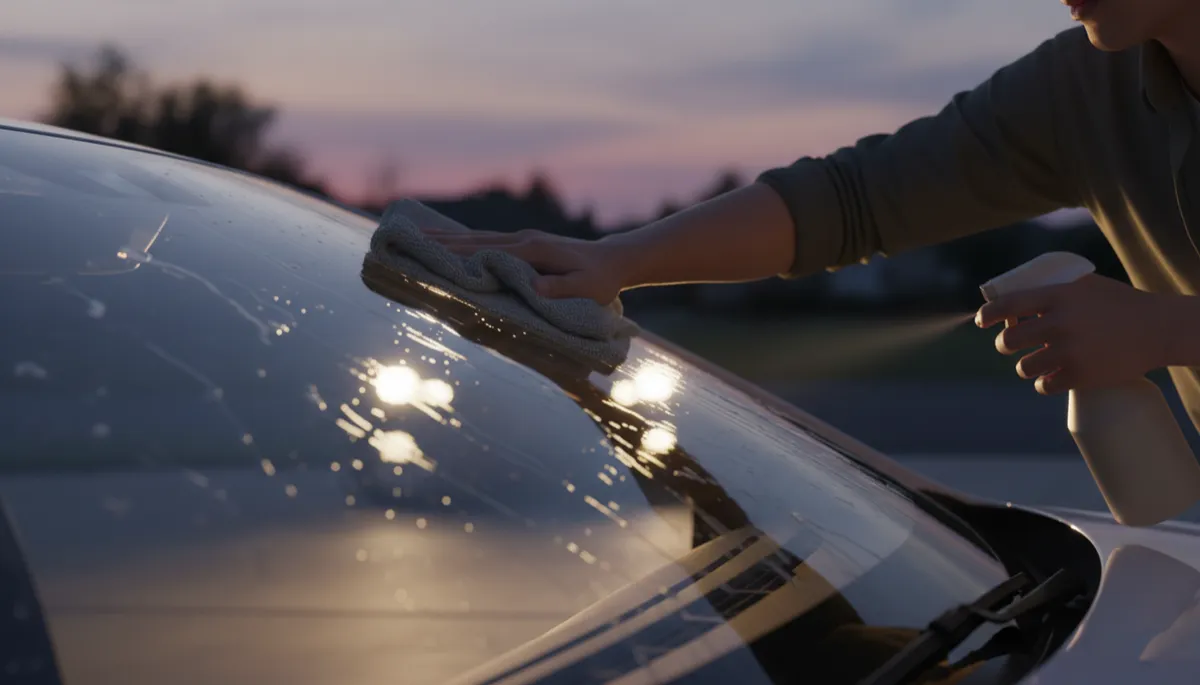
A clean windshield and bright headlamps dramatically cut glare and boost reaction time.
Everyday Accident Prevention Habits After Dark
Technology and maintenance matter, but your habits behind the wheel are just as important for Accident Prevention. At night, give yourself more space and more time. Leave a larger gap between you and the car ahead, and be especially patient at intersections where it can be hard to judge another vehicle’s speed in the dark. If you feel drowsy, pull over in a safe place, stretch, or switch drivers. Fighting fatigue rarely ends well.
Most of all, keep distractions low. Silence unnecessary notifications, keep conversations calm, and let your main job be driving. When you combine simple Clean Windshield Tips, timely Headlamp Replacement, and thoughtful Night Driving Safety habits, you create a friendlier, safer night-time driving experience for yourself and everyone sharing the road with you.
💡 Friendly Reminder: Before your next night trip, take five minutes to clean your glass, check your lights, and plan to drive just a little slower. Those few minutes can make the whole drive feel calmer and safer.