Oil Weights & Weather: European Car Oil Changes
Oil Change, Oil Weights, Synthetic Oil, European Cars, Oil Change Cost, Weather Impact, Motor Damage, Oil Recommendations
Oil Weights, Weather, and European Car Oil Changes: What High Desert Drivers Need to Know
Choosing the right motor oil isn’t just about price or brand. The correct oil weight, type, and manufacturer approval can mean the difference between a healthy engine and costly motor damage—especially in the High Desert’s extreme weather. At 37 Smog and Repair, we help drivers understand how Oil Change choices affect performance, longevity, and smog compliance.
Oil Weights and Types for Changing Weather in the High Desert
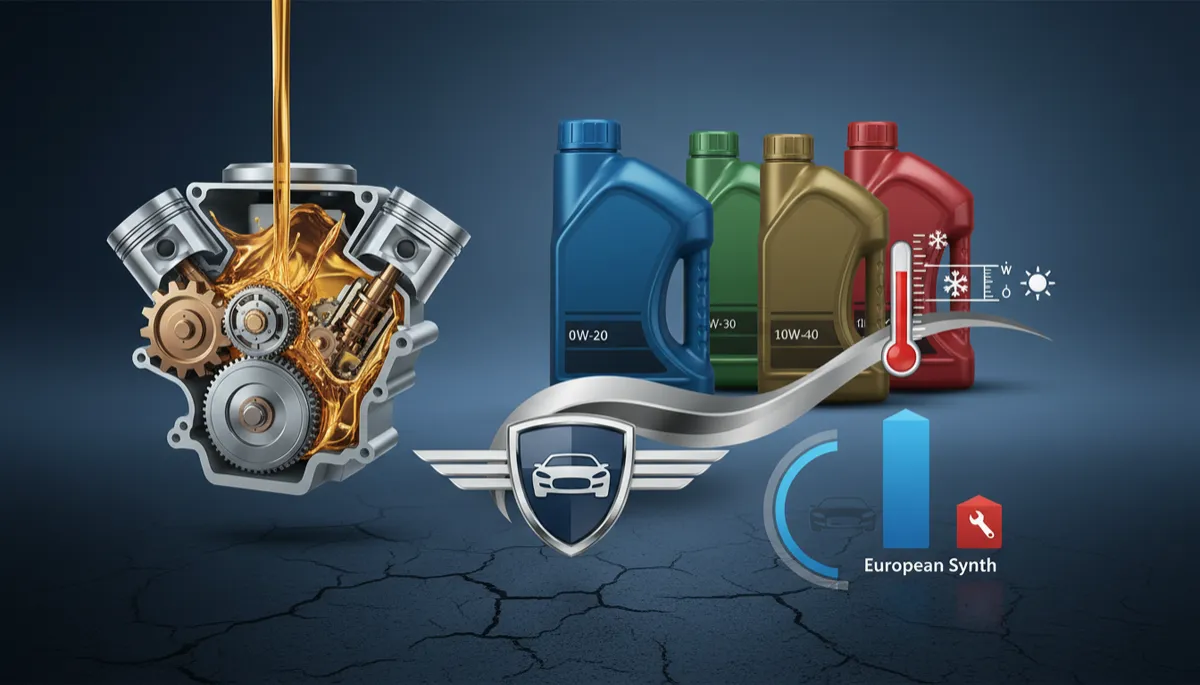
Oil weight—like 0W-20, 5W-30, or 5W-40—describes how thick the oil is in cold and hot conditions. The first number (before the “W”) reflects cold-weather flow; the second number shows how the oil behaves when your engine is fully warmed up. In areas like Hesperia, Victorville, and Apple Valley, where mornings can be cold and afternoons extremely hot, choosing the correct oil weight is critical for start-up protection and high-temperature durability.
Modern engines, especially those with tight clearances and advanced emissions systems, are designed around specific Oil Weights and Synthetic Oil formulations. In cooler conditions, a lower “W” rating (such as 0W or 5W) helps the oil circulate quickly at start-up, reducing wear. In high heat, the correct upper number (30, 40, or 50) ensures the oil stays thick enough to maintain pressure and protect bearings, camshafts, and turbochargers. Using the wrong viscosity for your climate and engine can increase wear, raise operating temperatures, and even affect emissions, which can impact smog results over time.
💡 Pro Tip: Follow the Oil Recommendations in your owner’s manual for both viscosity and oil type. The Weather Impact in the High Desert makes this even more important, not less.
Why Manufacturer-Required Oils Matter—Especially for European Cars
European Cars such as BMW, Mercedes-Benz, Audi, Volkswagen, and Porsche rarely use generic oil specs. They require Synthetic Oil that carries specific manufacturer approvals—like VW 504.00/507.00, BMW Longlife-04, or Mercedes MB 229.51—because their engines, turbochargers, and emissions systems are engineered around these exact formulations (kasoil.de, LN Engineering).
These approvals go beyond simple viscosity. They control how the oil resists breakdown over long intervals, how it protects turbo bearings, and how much ash and sulfur it produces, which directly affects catalytic converters and diesel particulate filters. Using a “close enough” oil that doesn’t carry the right approval can risk warranty coverage and accelerate wear. At 37 Smog and Repair, we match your oil to the exact specification your European vehicle calls for, so your extended 10,000-mile Oil Change intervals remain safe and compliant with the manufacturer’s design.
Matching the exact European oil approval protects engines, emissions systems, and long service intervals.
Oil Change Cost: 10,000-Mile European Synthetic vs. 3,000-Mile Conventional
On paper, a conventional Oil Change looks cheaper. National 2026 data shows conventional oil services typically run about $35–$75, while full Synthetic Oil changes range from roughly $65–$125—and European-spec long-life services can be $120–$220 because of the special oil and added labor (covrcarinsurance.com, fixxr.repair).
But when you factor in mileage, the Oil Change Cost story changes. Many European Cars using approved long-life Synthetic Oil are designed for 8,000–10,000-mile intervals under normal driving. Compare that to an older vehicle on conventional oil that still follows a 3,000-mile schedule:
Example European synthetic service: $160 for a 10,000-mile, manufacturer-approved Synthetic Oil Change with filter and inspection.
Example conventional service: $55 per Oil Change, every 3,000 miles. Over 9,000 miles, that’s three services—about $165 total.
In this realistic scenario, the 10,000-mile European Synthetic Oil service and the 3,000-mile conventional schedule end up nearly the same cost over distance. The difference is that the European engine is running on high-quality oil designed for extended intervals, better cold start protection, and stronger high-heat performance—important in our hot High Desert climate. You also spend less time at the shop, which many of our value-focused customers appreciate.
📌 Key Takeaway: Synthetic Oil may cost more per visit, but over 10,000 miles it can match—or beat—the total cost of repeated 3,000-mile conventional Oil Changes, while offering better protection and lower Weather Impact on your engine.
Motor Damage Risks When You Ignore Oil Recommendations
Using oil that doesn’t meet your car’s Oil Recommendations can cause serious Motor Damage over time, even if the engine seems fine right after the Oil Change. We regularly see the long-term effects in vehicles that come through 37 Smog and Repair for diagnostics, smog failures, or engine complaints.
Sludge and varnish buildup: Conventional oil or the wrong Synthetic Oil in a high-heat turbo engine can break down faster, forming deposits that restrict oil passages and stick piston rings. This leads to higher oil consumption, low compression, and poor drivability.
Timing chain and camshaft wear: Many modern engines rely on precise oil pressure to operate variable valve timing. Using the wrong oil weight or non-approved formulation can accelerate chain stretch and cam lobe wear, causing rattles, check engine lights, and expensive internal repairs.
Turbocharger damage: Turbos spin at extremely high speeds and run very hot. Inadequate Synthetic Oil or incorrect viscosity can cause coking—burned oil that blocks tiny oil passages—leading to turbo failure and potential metal contamination throughout the engine.
Catalytic converter and emissions system failure: Oils that don’t meet low-SAPS European specs can create excess ash and phosphorus. Over time, this can poison catalytic converters and diesel particulate filters, causing smog test failures and costly replacement of emissions components.
For older and classic vehicles, the risks are different but just as real. Some vintage engines need higher-zinc oils to protect flat-tappet camshafts, while others benefit from slightly thicker Oil Weights to maintain pressure as clearances increase with age. Our team looks at the whole picture—age, mileage, engine design, and local Weather Impact—before recommending an oil strategy that protects your motor and supports clean emissions.
How 37 Smog and Repair Helps You Choose the Right Oil
At 37 Smog and Repair, every Oil Change is treated as a protection plan, not just a quick service. We verify your vehicle’s manufacturer requirements, confirm the correct Oil Weights and Synthetic Oil specifications, and consider your real-world driving: long freeway commutes, dusty roads, heavy traffic, and High Desert temperature swings. For European Cars, we use oils that carry the exact approvals your engine and emissions system need, not just “recommended for” substitutes.
If you’ve been stretching intervals, using off-brand oil, or you’re unsure what your last shop installed, we can inspect for early signs of Motor Damage, oil leaks, and sludge, and help you get back on a safe maintenance schedule. That’s part of our commitment to honest, accurate, and respectful automotive care for High Desert drivers.
✅ Next Step: Protect your engine and avoid costly repairs. Schedule your Oil Change or maintenance inspection with 37 Smog and Repair today, and let our team match the right oil to your vehicle, your warranty, and our High Desert weather.