TPMS Light On? Essential Tire Safety Guide
TPMS Light, Tire Safety, DOT Tire Codes, TPMS Sensor Replacement
When Your TPMS Light Comes On: A Developer’s Guide to Tire Safety
As an ASE Master Tech, I tend to see cars the way I see production systems: warning lights are alerts, tires are critical infrastructure, and ignoring either is a reliability risk. At 37 Smog and Repair, we treat your Tire Pressure Monitoring System (TPMS) and tires with that same production-grade mindset—because your safety depends on them working correctly every single drive.
What It Means When the TPMS Light Comes On (Solid)
A solid TPMS Light is your car’s way of throwing a “warning” message, not yet a fatal error. In most vehicles, it means at least one tire is below the recommended pressure—usually by 25% or more. That can happen due to a slow leak, temperature drop, or simply normal air loss over time.
Check all four tires (and the spare, if monitored) with a tire pressure gauge.
Inflate to the pressure on the driver’s door sticker, not the tire sidewall.
If the light stays on, you may have a leak or a TPMS issue that needs diagnosis.
💡 Pro Tip: Treat a solid TPMS Light like a performance degradation alert in a live system—schedule time to address it the same day, not “eventually.”
What It Means When the TPMS Light Is Blinking
A blinking TPMS Light is more serious. Typically, the light will blink for 30–60 seconds at startup, then stay solid. That pattern usually indicates a system fault, not just low pressure.
Dead or weak TPMS sensor battery
Sensor is missing, not programmed, or not recognized by the vehicle
Communication issues between sensors and TPMS module
A failed TPMS module
In this state, your TPMS may no longer be reliably monitoring pressure. At 37 Smog and Repair, we provide full TPMS Sensor Replacement, re-learn, and programming to the vehicle, so your system returns to a known-good, “all green” status.
Why Tire Safety Matters More Than Most Drivers Think
From a reliability perspective, tires are your only contact surface with the road—four small patches of rubber carrying all your speed, braking, and steering. Poor Tire Safety is like running mission-critical services on failing hardware: you might get away with it for a while, but the failure mode is sudden and expensive.
Underinflated tires run hotter, wear faster, and increase stopping distance.
Overinflated tires reduce grip and can cause uneven wear patterns.
Worn tread increases hydroplaning risk and reduces control in emergency maneuvers.
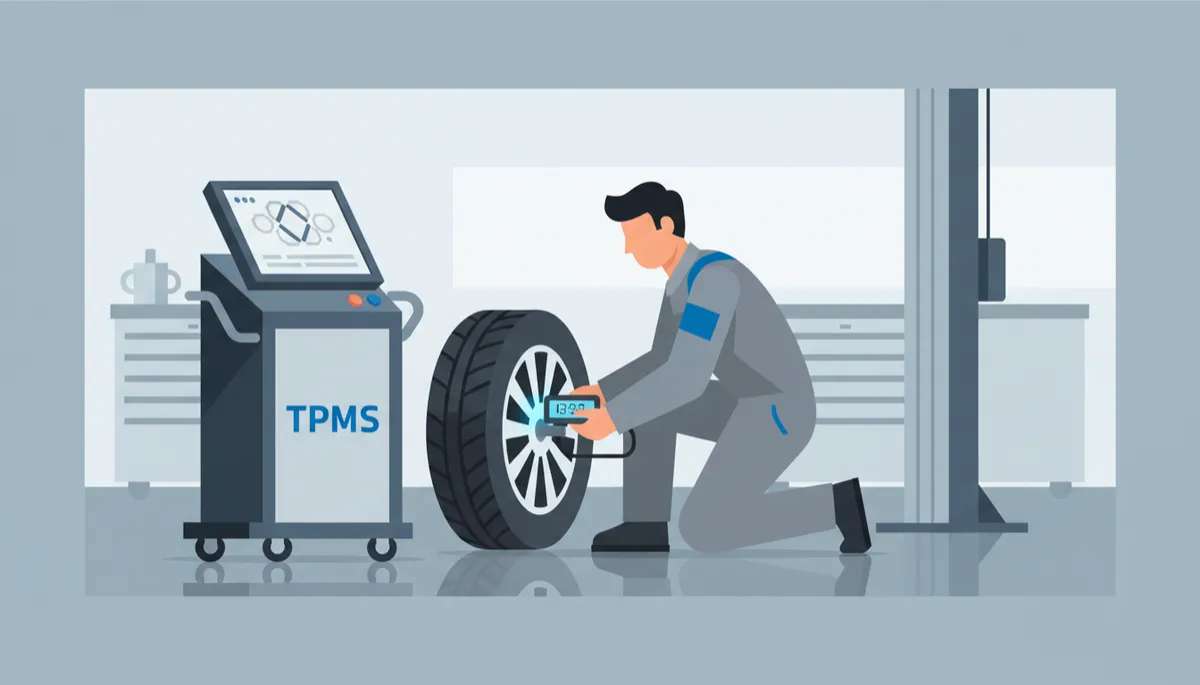
Regular tire and TPMS checks greatly reduce blowout risk and uneven wear.
Reading DOT Tire Codes and the Tire Manufacturing Date
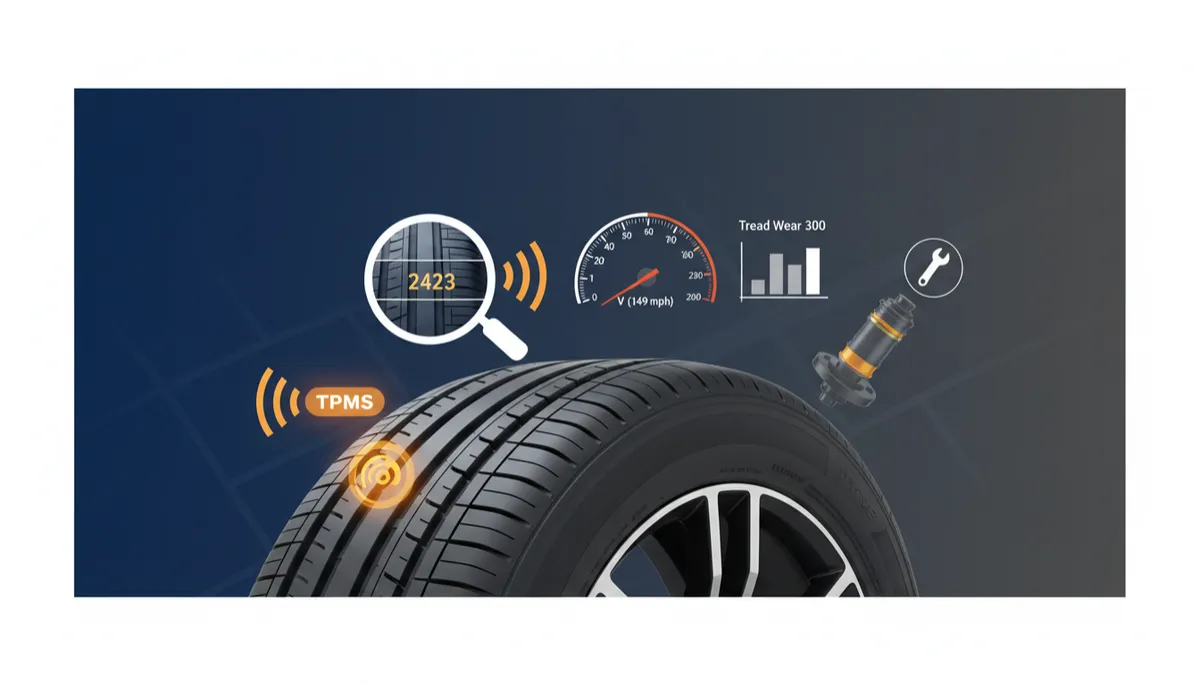
The DOT Tire Codes on the sidewall are essentially your tire’s metadata. They tell you where and when the tire was made, plus compliance information. The Tire Manufacturing Date is embedded in the last four digits of the DOT code for tires made after 2000.
Example DOT code: DOT AB CD EF 2519
2519 → Week 25 of 2019 (25th week, year 2019).
Earlier characters identify plant and tire type, useful for recalls and tracking.
Most safety experts recommend inspecting tires closely at 6 years and planning replacement by around 10 years, regardless of tread, because rubber ages—especially in High Desert heat. At 37 Smog and Repair, we can read and explain your DOT code and help you decide whether your tires are still a safe “version” to run in production.
Tire Speed Ratings and Wear Ratings: What the Letters and Numbers Mean
Alongside size, your tire sidewall lists Tire Speed Ratings and wear ratings. Think of these as performance constraints and expected lifespan.
Speed rating (a letter like S, T, H, V): the maximum sustained speed the tire is designed to handle under ideal conditions. For example, T is typically up to ~118 mph, H up to ~130 mph.
Treadwear rating: a comparative number (e.g., 400, 600) that indicates how long the tread should last relative to a reference tire. Higher usually means longer life, but compound, driving style, and alignment all matter.
Matching or exceeding your vehicle’s recommended speed rating is important for stability and emergency handling. When we inspect your tires at 37 Smog and Repair, we verify that your speed and wear ratings align with how and where you drive—especially important for High Desert commutes and summer heat.
TPMS Sensor Replacement, Programming, and System Service
A TPMS sensor is essentially a small embedded system with a pressure sensor, battery, and transmitter. Like any hardware, it has a finite lifespan. When sensors fail, your monitoring goes blind, even if the tires themselves are fine. That’s where proper TPMS Sensor Replacement and programming matter.
We diagnose TPMS faults (blinking lights, missing sensors, wrong IDs).
We replace faulty sensors with quality units matched to your vehicle.
We program and re-learn sensors so the TPMS module recognizes each wheel correctly.
At 37 Smog and Repair, TPMS work is handled with the same integrity and precision we apply to emissions diagnostics and electrical troubleshooting. We treat your TPMS as a safety-critical monitoring system, not an optional accessory.
Bringing It All Together: A Practical Next Step
If your TPMS light is on—solid or blinking—or you are unsure about your tire age, speed rating, or treadwear, treat it like you would a red dashboard in your monitoring tools. Don’t wait for the failure. Bring your vehicle to 37 Smog and Repair, and we will:
Inspect tire condition, pressure, and wear patterns for real-world Tire Safety.
Read and explain your Tire Manufacturing Date.
Verify appropriate Tire Speed Ratings and discuss your driving needs.
Diagnose, repair, or replace TPMS sensors and program them correctly to your vehicle.
Protect your vehicle and avoid costly, sudden failures. Schedule your inspection or TPMS service appointment with 37 Smog and Repair today, and let a trustworthy, diagnostics-focused team keep your tires—and your safety—running at production-ready standards every time you drive.